

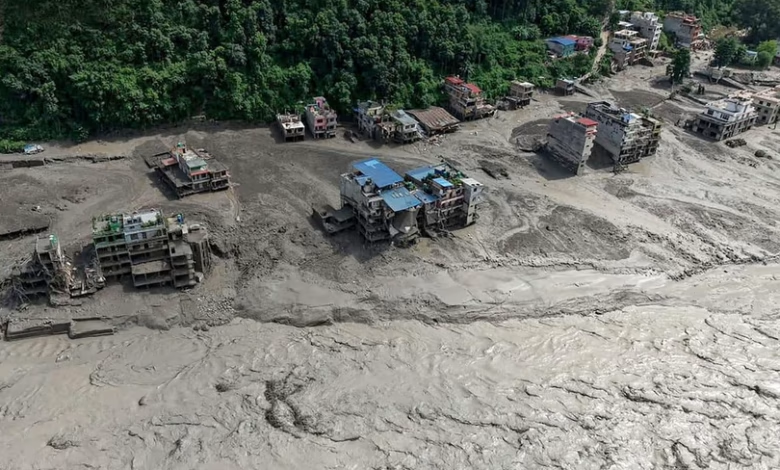
Aumenta a 353 los muertos en Nepal por los aludes que arrasaron pueblos
Las autoridades reportaron más de 1300 desaparecidos; muchos de ellos eran extranjeros que estaban en la zona para hacer senderismo o peregrinar a un sitio sagrado del hinduismo.

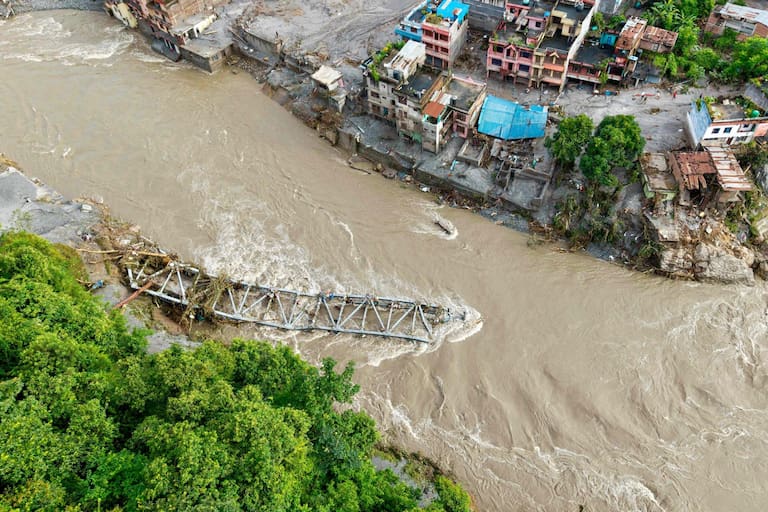
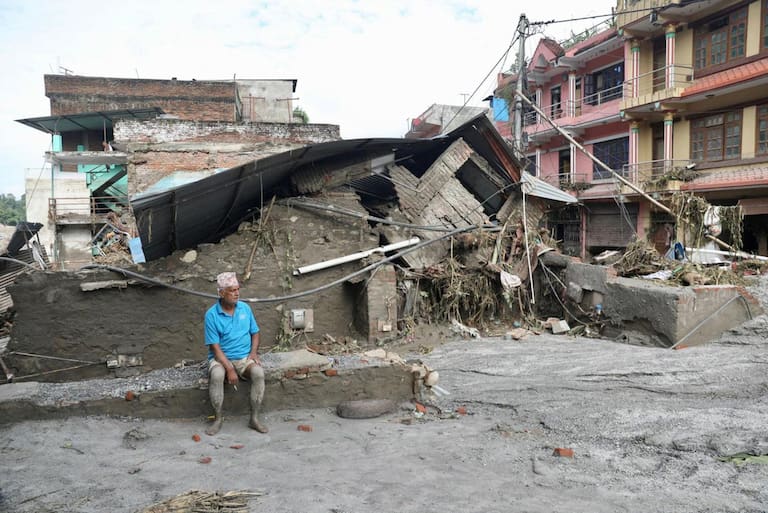
Los videos que captan lo sucedido muestran cómo espectaculares paredes de lodo y escombros engullían edificios y todo lo que se encontraban a su paso. La riada arrastró autobuses y autos con total facilidad, como si fueran de cartón. Cientos de personas corrían de un lado a otro desesperadas buscando un refugio ante la repentina caída de agua.
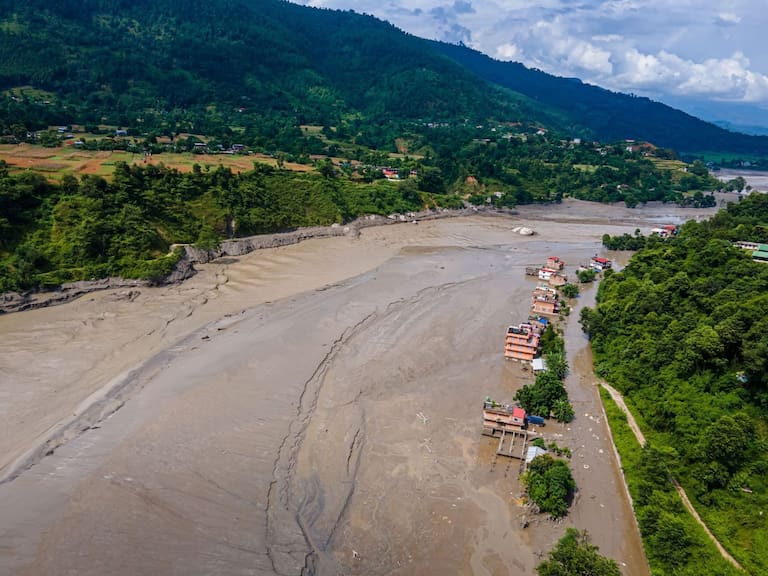
De acuerdo a algunos científicos que se refirieron al avance del agua, como Simon Cox, jefe del programa De las Montañas al Mar de la organización Ciencias de la Tierra de Nueva Zelanda, el cambio climático habría generado suficientes condiciones como para desestabilizar las rocas y el hielo de alta montaña. “Esto, a su vez, hace más frecuentes los colapsos y los peligros en cascada como los observados esta semana», añadió.
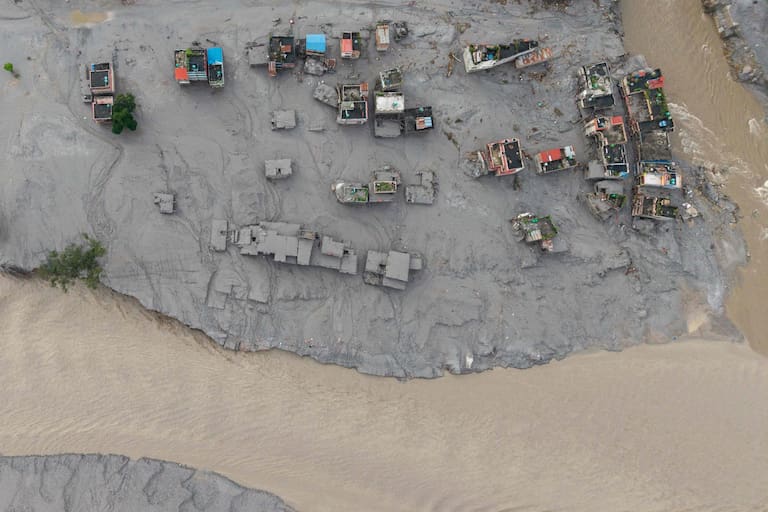
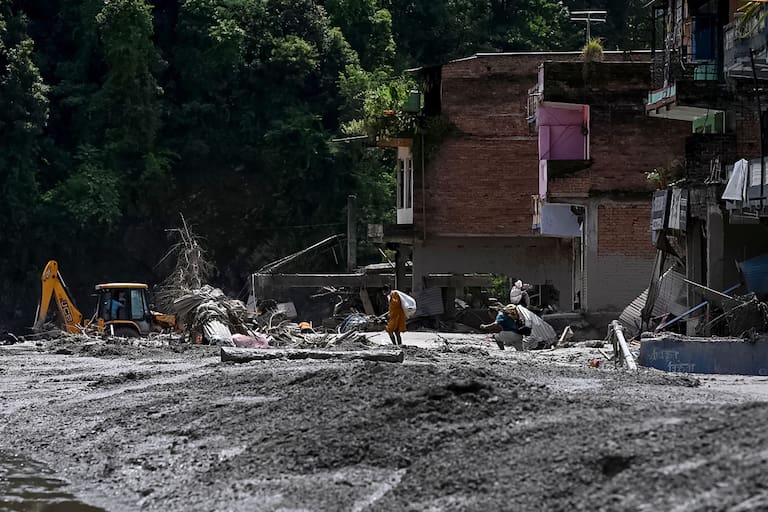
Aunque todavía se estudia la causa exacta del desastre ocurrido a primera hora de este miércoles, científicos dijeron que probablemente comenzó con una enorme avalancha de hielo y rocas en las laderas septentrionales del pico nepalí Langtang Lirung, que cayó sobre el río Lhende Khola, en el lado tibetano.
Al menos seis grandes centrales hidroeléctricas e infraestructuras del centro comercial del puerto de Gyirong resultaron dañadas en una cadena transfronteriza de peligros en varias etapas, desencadenada por el derrumbe inicial. El fenómeno también alteró los cauces de los ríos a más de 100 kilómetros aguas abajo, cerca de la frontera con India.
![CORRECTION / Local residents watch as a helicopter flies above houses lying deluged in sludge after flash floods at Devighat, Bidur Municipality in Nepal's Nuwakot district on August 27, 2026. Nepal's disaster agency said that 823 people remained out of contact on August 27, more than 24 hours after a deadly flood tore through the border region with Tibet. (Photo by Prabin RANABHAT / AFP) / “The erroneous mention[s] appearing in the metadata of this photo by Prabin RANABHAT has been modified in AFP systems in the following manner: [Prabin RANABHAT] instead of [Ishara S. KODIKARA]. Please immediately remove the erroneous mention[s] from all your online services and delete it (them) from your servers. If you have been authorized by AFP to distribute it (them) to third parties, please ensure that the same actions are carried out by them. Failure to promptly comply with these instructions will entail liability on your part for any continued or post notification usage. Therefore we thank you very much for all your attention and prompt action. We are sorry for the inconvenience this notification may cause and remain at your disposal for any further information you may require.”](https://www.lanacion.com.ar/resizer/v2/correction-local-residents-watch-as-a-helicopter-OGDXGU7MXRD67GPQNJVS3QKXWA.jpg?auth=206661e5be6b92da9cac55ed12cd625a07f8d353b47de536b85a772ee2b362c0&width=768&quality=70&smart=false)
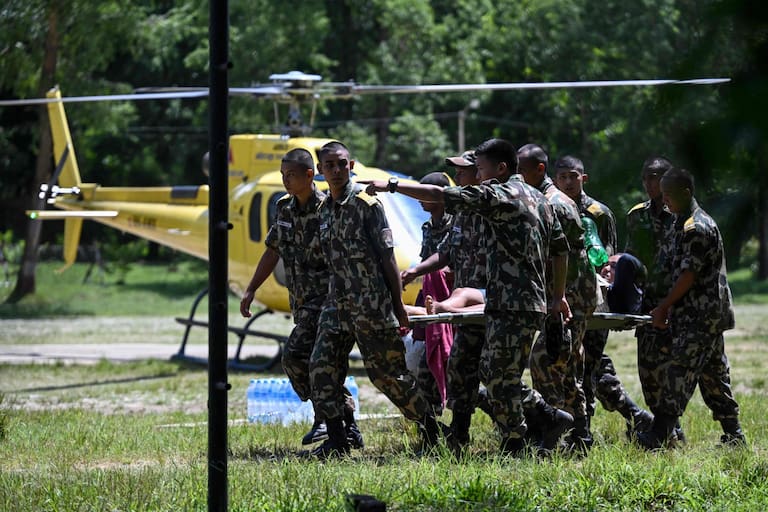
El desastre ambiental de las últimas horas podría ser un ejemplo clásico de un “evento compuesto”, dijo Benjamin Horton, decano de la Facultad de Energía y Medio Ambiente de la Universidad de la Ciudad de Hong Kong. Esto ocurre cuando un terremoto interactúa con cambios impulsados por el clima —como la pérdida de glaciares, el deshielo del permafrost y la inestabilidad de las laderas— para “crear un desastre más complejo y dañino que el que produciría cualquiera de esos factores por sí solo”, añadió.